
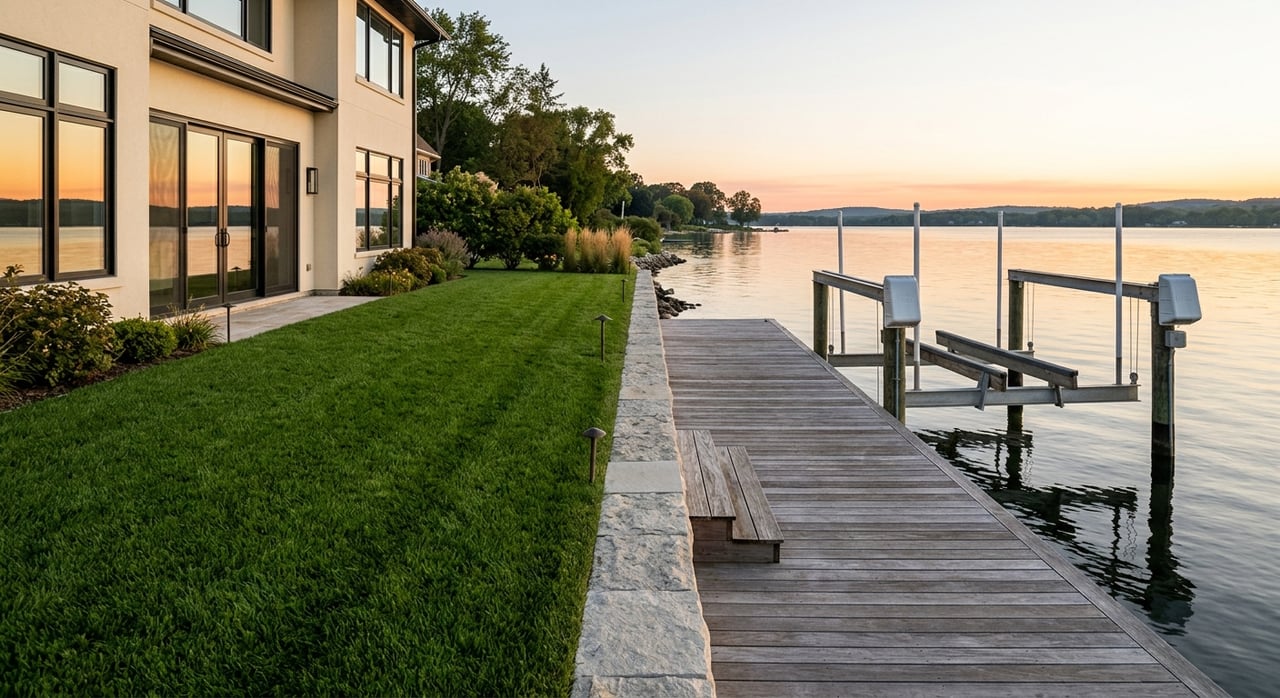
Selling a waterfront home in Jupiter is not the same as selling a home a few streets inland. Buyers are not only judging the house. They are also weighing boat access, dock condition, water views, shoreline rules, and how smoothly the property will fit their lifestyle. If you want a stronger launch and fewer surprises, it helps to prepare with that full picture in mind. Let’s dive in.
Jupiter remained a seller’s market in June 2026, with 788 homes for sale, a median listing price of $947,000, a median 73 days on market, and a 96% sale-to-list ratio. At the same time, homes were selling for about 4.02% below asking on average. That combination matters because demand is still present, but buyers are not ignoring pricing or property condition.
For a waterfront property, broad market numbers only tell part of the story. A 2025 Jupiter waterfront market report found that mainland Jupiter’s $5 million-plus waterfront segment had 37 sales totaling $393.7 million, with a 95.7% median sold-to-list ratio on correctly priced inventory. The same report emphasized that Jupiter waterfront submarkets do not all behave the same way, which is why a same-water, same-submarket pricing strategy matters.
In practical terms, your home should be positioned as a water-access asset first and a house second. That means your preparation plan should focus on boating function, shoreline condition, and outdoor presentation just as much as interior finishes.
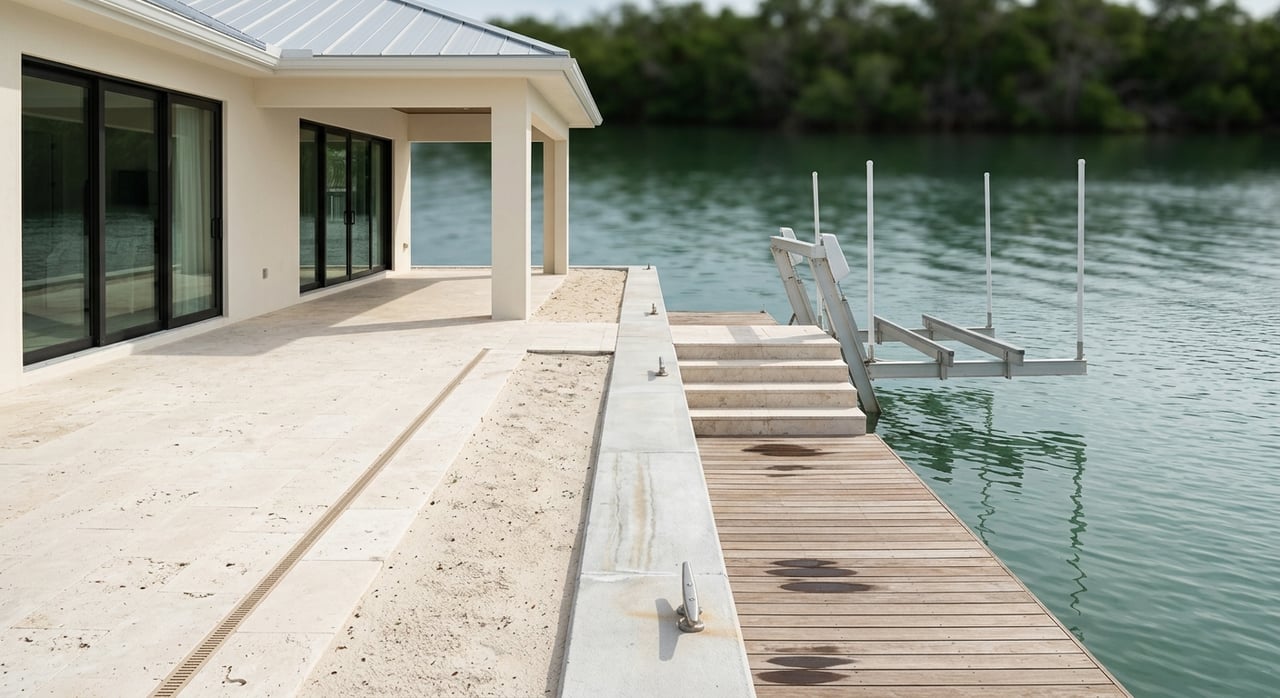
If your home has a dock, lift, or seawall, start there. These features often shape buyer confidence before they ever step inside, and they can also affect how quickly your home is ready to list.
The Town of Jupiter requires a building permit for docks and boatlifts. Applications are reviewed by Building, Engineering, Planning and Zoning, and Natural Resources, and they must include approvals from other applicable entities such as the Florida Department of Environmental Protection, the Army Corps of Engineers, and any HOA. For seawalls, the town says the existing shoreline structure must be evaluated as a bulkhead or revetment, and staff recommend a pre-application meeting before filing.
That means unresolved questions about past work, repairs, or permits should be addressed before your listing photography is scheduled. If a buyer sees an attractive dock but later learns there is uncertainty around condition or approvals, trust can erode quickly.
Flood disclosure is now part of the seller checklist in Florida. Under Florida Statute 689.302, a seller must complete and provide a flood disclosure to a purchaser of residential real property at or before contract execution.
For many Jupiter waterfront homes, this is not a detail to leave until the last minute. FEMA’s official flood map source is the Map Service Center, and homes in Zones A and V or VE are considered high-risk for federally backed mortgages, where flood insurance is mandatory.
Even when buyers expect a waterfront property to come with flood considerations, they still want clarity. If you can organize flood zone information, current insurance details, and the required disclosure early, you help remove uncertainty from the transaction.
Before spending heavily, take a step back. In Jupiter, Realtor.com market guidance suggests that visible and cosmetic improvements like paint, fixtures, and landscaping usually pay off more reliably than major renovations, which often do not return full cost.
That does not mean larger projects never matter. It means you should be selective. If a bigger improvement solves a functional issue, broadens buyer appeal, or reduces friction during inspections, it may still be worthwhile.
For most waterfront sellers, the best pre-listing work usually falls into two buckets:
A polished home feels easier to buy. That is especially true when buyers are already evaluating the added complexity that comes with waterfront ownership.
One of your home’s biggest selling features may be the sightline from the living room, lanai, pool, or dock. Naturally, sellers want those views to look as open and clean as possible. But on a waterfront lot, trimming and clearing can involve environmental rules.
Florida DEP says homeowners in a riparian mangrove fringe may trim only within specific limits. For example, trimming below 6 feet or defoliating mangroves is not allowed, and mangrove removal generally requires an individual permit.
Jupiter also notes that seagrape trimming on town-owned beachfront is limited during sea turtle nesting season. In addition, beach lighting can affect nesting turtles, and Palm Beach County regulates that lighting.
The takeaway is simple: improve presentation, but do not assume you can clear shoreline vegetation for better photos. If your property includes a mangrove edge or beachfront vegetation, stay within the rules and plan your visual presentation around compliant trimming and careful staging.
Staging works because it helps buyers picture themselves living in the home. According to the National Association of Realtors, 83% of buyers’ agents said staging makes it easier for buyers to visualize a property as their future home.
That matters even more in a waterfront setting, where emotion and lifestyle play such a large role. Buyers are imagining morning coffee by the water, afternoon boat outings, and evenings on the lanai. If those spaces feel cluttered or distracting, the lifestyle story gets weaker.
NAR’s 2025 staging report also found that 29% of agents said staging led to a 1% to 10% increase in the dollar value offered, while 49% of sellers’ agents reported reduced time on market. The same report identified the living room as the most important room to stage, followed by the primary bedroom and kitchen.
The goal is not to overdecorate. It is to make your home feel calm, open, and easy to enjoy.
Your sale starts online. NAR reports that 52% of buyers found the home they purchased online, and nearly half said their search started there. It also found that 81% of buyers rated listing photos as the most useful feature during their online search.
For a Jupiter waterfront home, visuals are not just helpful. They are central to the marketing strategy. Buyers need to understand orientation, dock layout, outdoor living, water frontage, and the overall feel of the property before they decide whether to book a showing.
NAR’s visibility guidance also notes that early views, saves, and shares after launch signal relevance, and that adjusting the lead photo or photo order can help reset visibility if a listing stalls. That makes your first few days on market especially important.
Jupiter’s public boating infrastructure gives that story real substance. The town notes that Burt Reynolds Park boat ramps are open 24/7 and only a few idle minutes from Jupiter Inlet. The town also highlights public docks and ramps at Burt Reynolds Park and day docks at Jupiter Yacht Club Marina Basin. When relevant, details like these help describe the boating lifestyle in clear, factual terms.
Pricing a waterfront home by ZIP code alone can lead you off course. Jupiter’s waterfront submarkets can behave differently, and buyers in this segment are often comparing very specific features.
The strongest pricing approach uses direct comps from the same water type and submarket whenever possible. If your home offers a certain boating setup, shoreline orientation, or access pattern, those details should be reflected in the comparison set.
This matters because even in a seller’s market, buyers are negotiating. With a 73-day median time on market and a 96% sale-to-list ratio in June 2026, the first price still needs to be thoughtful. Using the listing price as a test can cost momentum, especially when your online launch window is so important.
Nationally, Realtor.com’s 2026 Best Time to Sell report identified the week of April 13 through 19 as the strongest selling window, with 1.1% higher prices, 17.7% more views, and 13.2% less competition. But timing only helps if your home is actually ready.
For a Jupiter waterfront property, that means repairs are complete, documents are organized, photos and video are finished, and the home is staged before launch. A rushed listing can miss the very momentum you are trying to capture.
A smooth launch usually looks like this:
Waterfront buyers want specifics. They want to know how the property lives, how the water can be used, and what the boating experience looks like in real terms.
Your listing story should explain where the dock leads, how the water frontage is usable, and how nearby access points support the lifestyle. In Jupiter, town resources make it easier to verify details tied to public ramps, docks, and inlet access, which helps keep your marketing factual and useful.
When your home is well prepared, the buyer sees more than a beautiful property. They see a lifestyle that feels organized, credible, and easy to step into.
If you are preparing to sell a waterfront home in Jupiter, a thoughtful plan can make the process calmer and the launch stronger. The Malloy Home Team can help you build a pricing, preparation, and marketing strategy that fits your property and your goals.
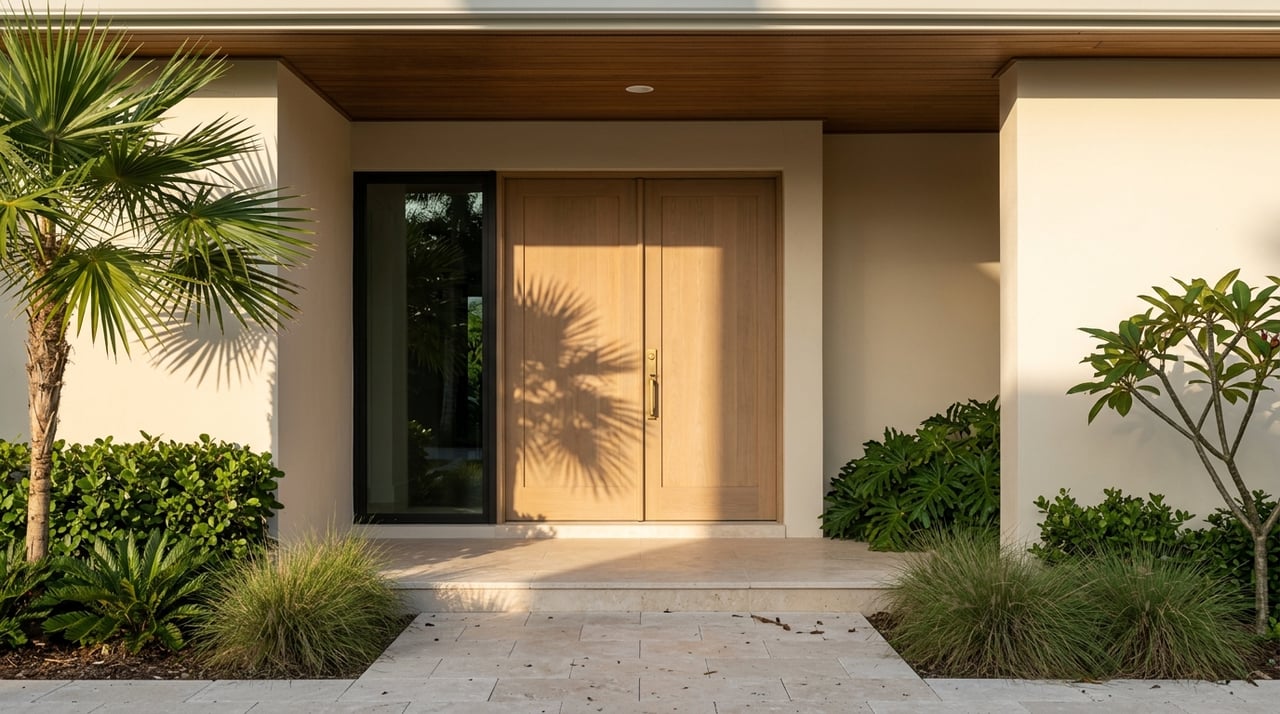

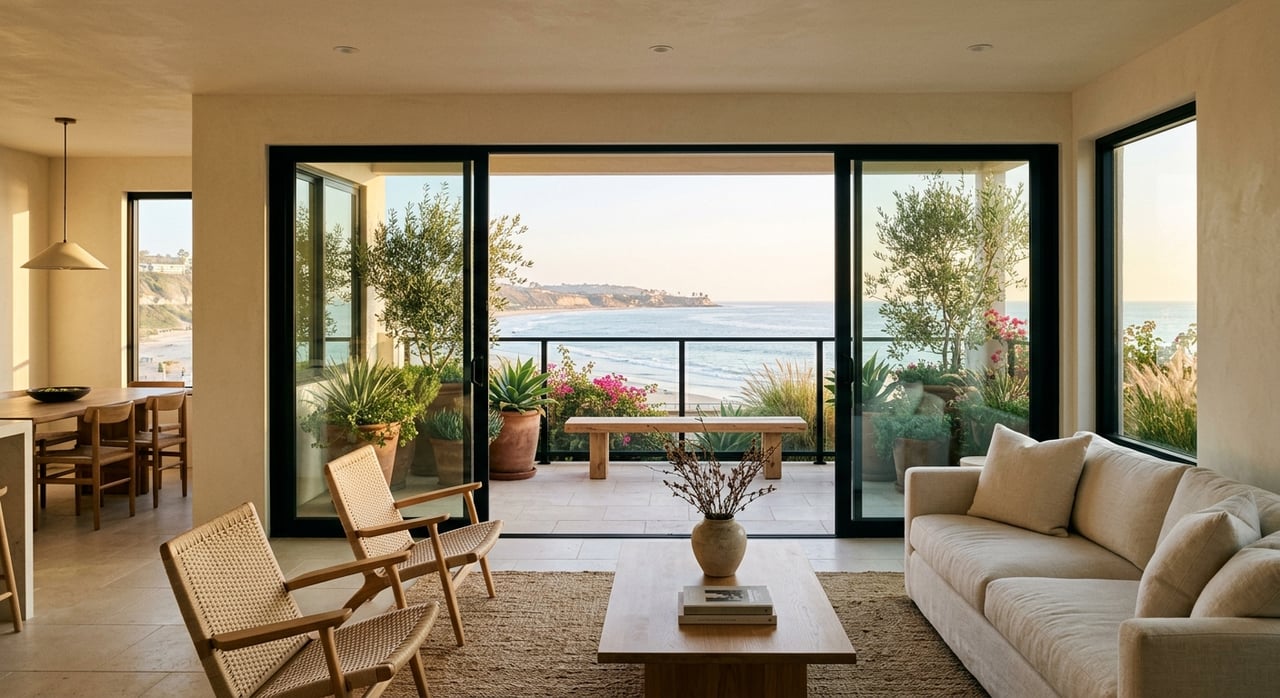
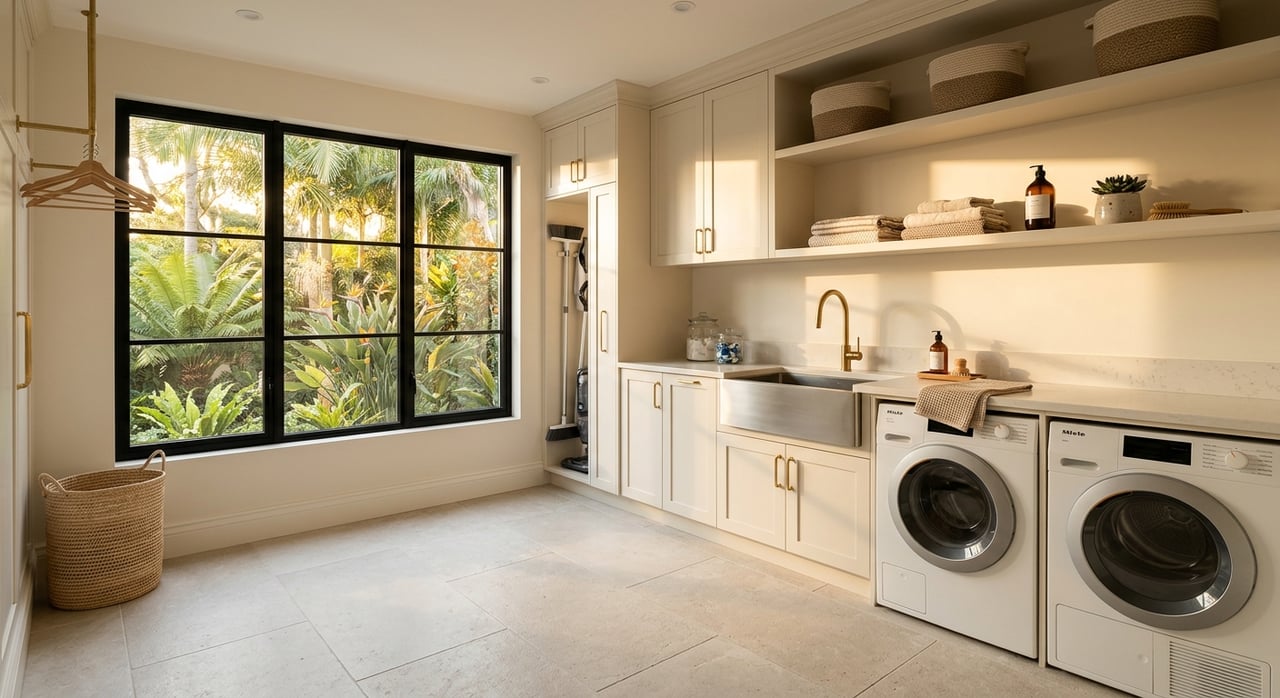
In a market where presentation, strategy, and relationships define outcomes, choosing the right team isn’t optional, it’s everything. At the Malloy Home Team at SERHANT., we don’t just list homes. We position them. We don’t just find properties. We secure opportunities others never see.

114 N Coastal Way Jupiter, FL 33477