
If you want a Florida getaway that feels polished, easy to reach, and full of things to enjoy once you arrive, Palm Beach Gardens deserves a close look. For many second-home buyers, the goal is not just sunshine. You want convenience, lifestyle, and a property that fits the way you actually plan to use it. This guide will help you think through why Palm Beach Gardens works as a second-home base, what to watch for in different property types, and which Florida-specific costs matter before you buy. Let’s dive in.
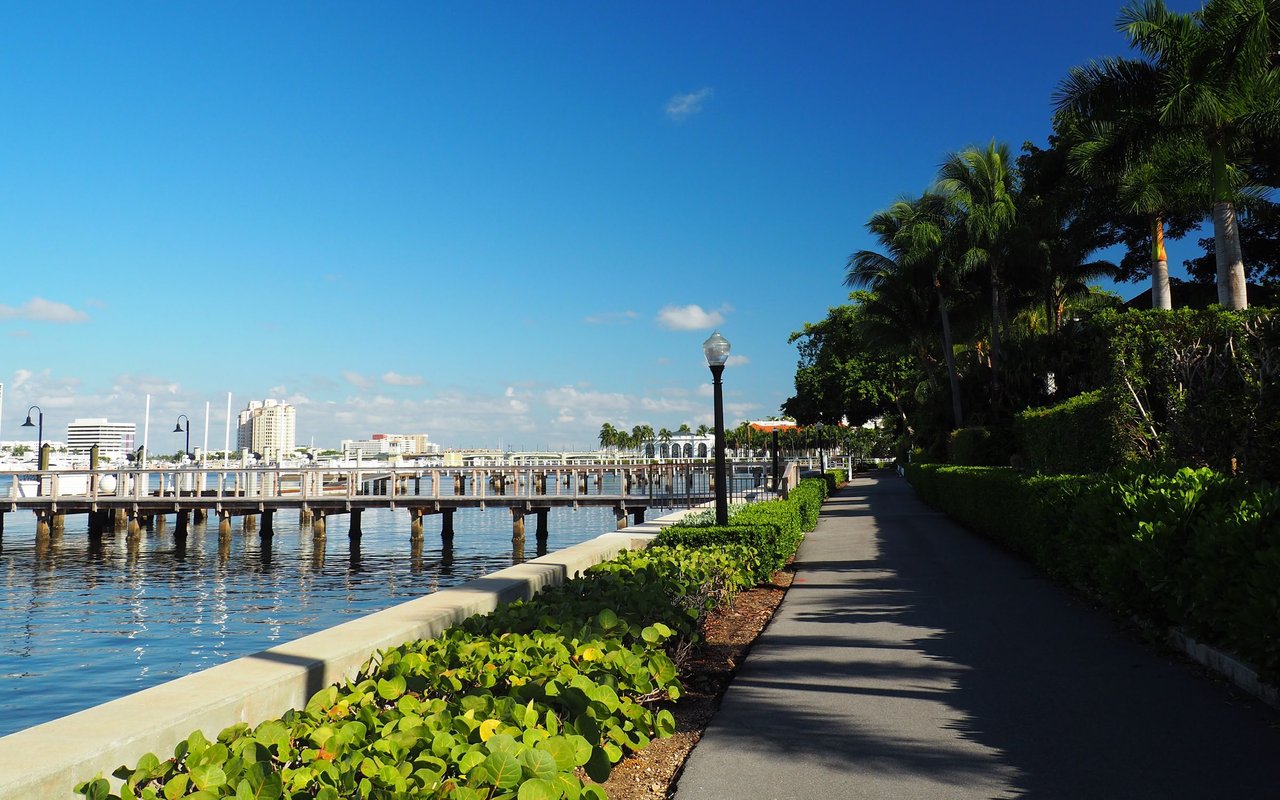
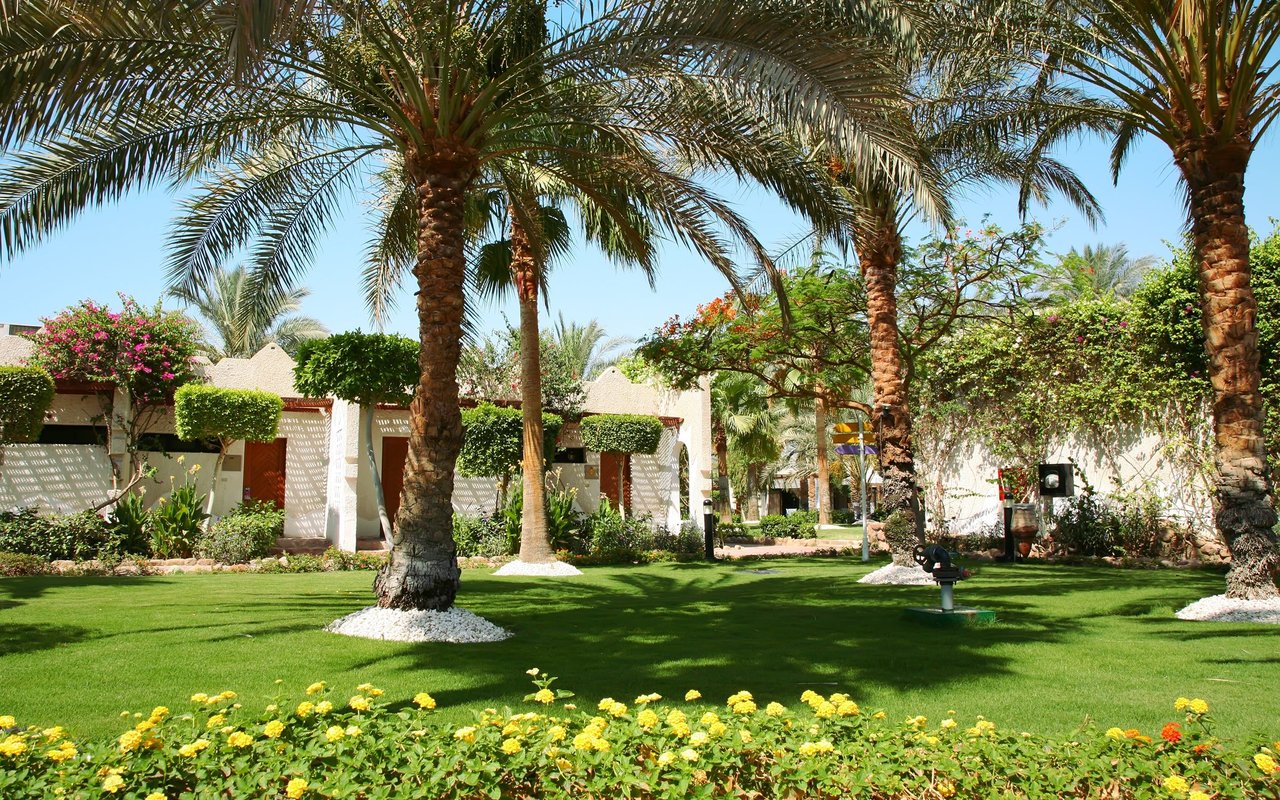
Palm Beach Gardens was developed as a garden city, and that identity still shapes the feel of the area today. According to the city, its comprehensive plan requires 33% green space, and more than 50% of the city is forested or landscaped greenspace. That creates a setting that feels refined and open, which is part of the appeal for seasonal owners.
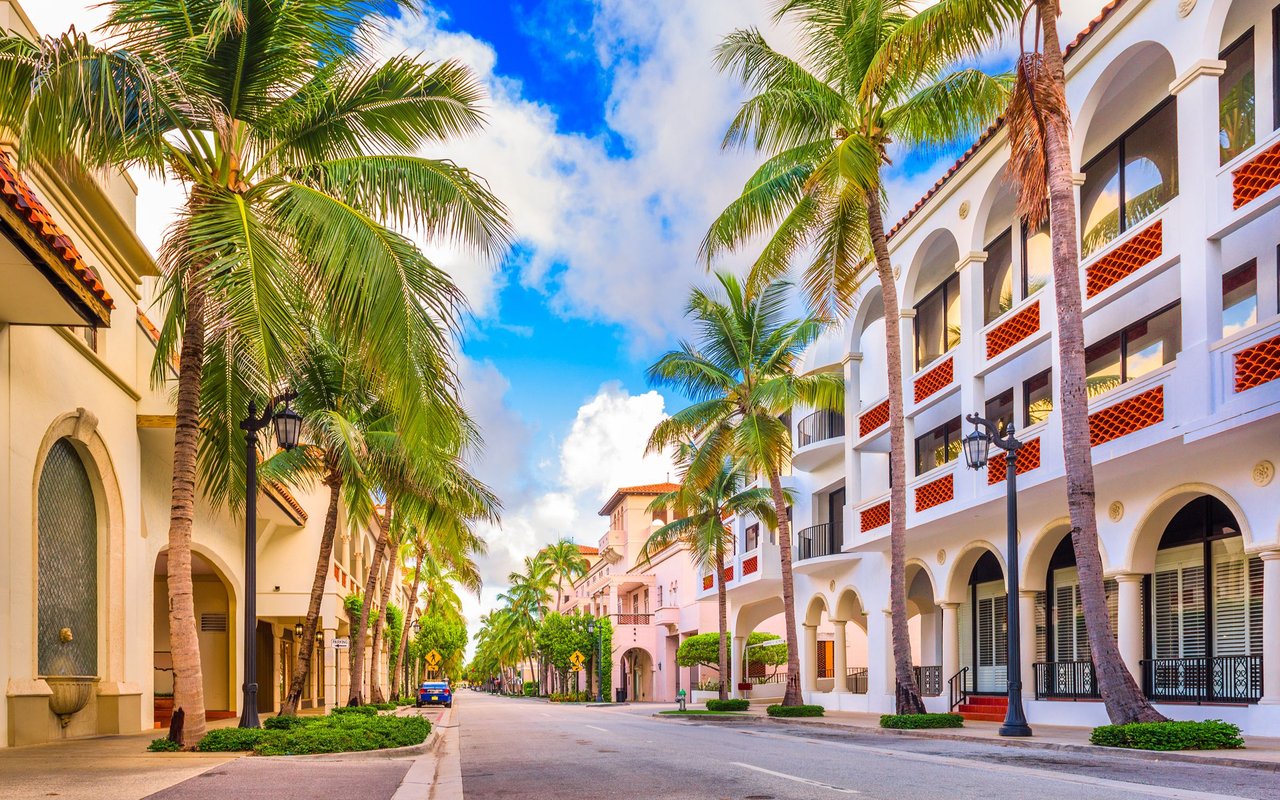
Just as important, Palm Beach Gardens offers a strong lifestyle mix without requiring a dense urban setting. The city highlights shopping, dining, art, parks, and well-known destinations such as Downtown Palm Beach Gardens, Legacy Place, Midtown, PGA Commons, The Gardens Mall, and Alton Town Center. If you want a second home where you can settle into a routine quickly, that variety matters.
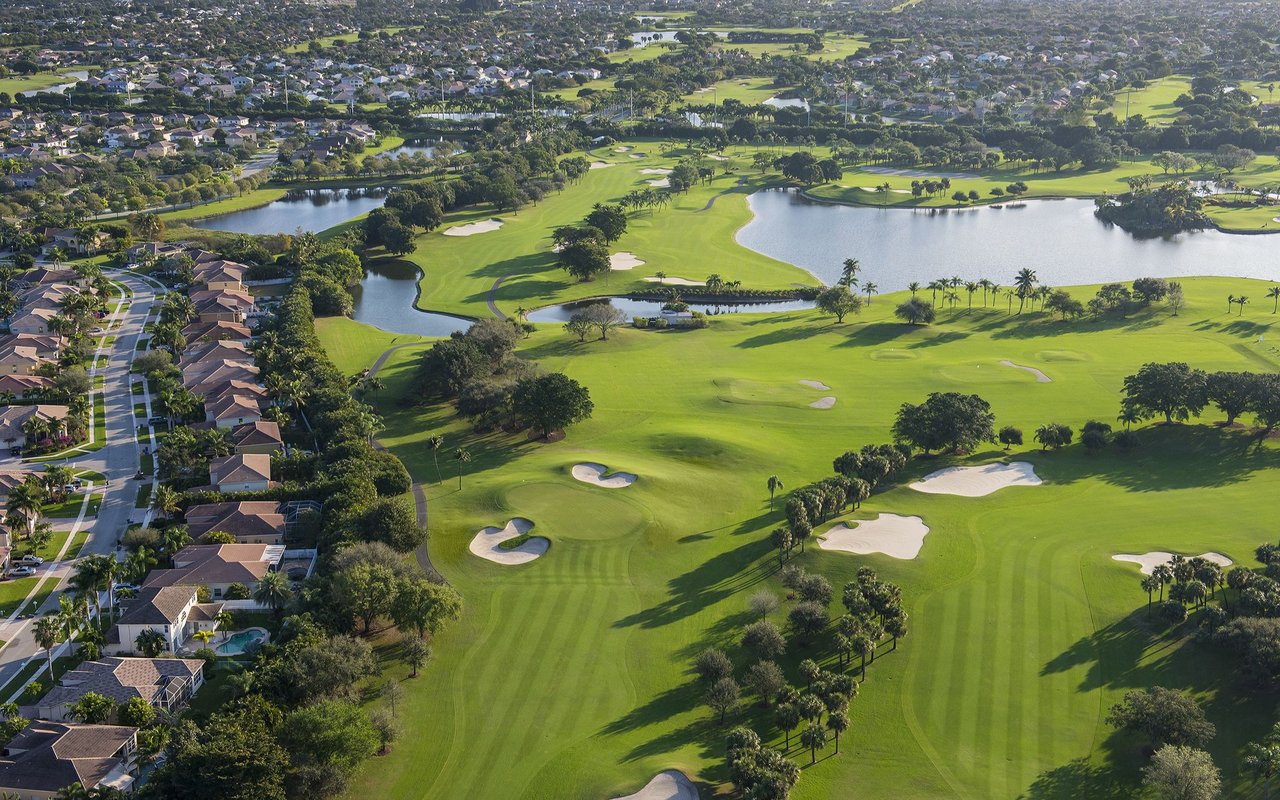
The city also leans into recreation. Palm Beach Gardens promotes golf and amenities like Sandhill Crane Golf Club, and it is home to the Cognizant Classic. For buyers who care about how a place feels beyond the front door, that tells you a lot about the market’s lifestyle focus.
A second home works best when getting there feels simple. Palm Beach International Airport is a major advantage for Palm Beach Gardens owners because it offers more than 200 daily nonstop arrivals and departures to destinations in the U.S., Canada, and the Caribbean on 12 airlines. The airport also notes easy access from anywhere in Palm Beach County.
That can make a real difference if you expect to use your property often. The current nonstop network includes cities like Boston, New York, Newark, Philadelphia, and Hartford, which are important for many seasonal buyers and frequent travelers.
On the local side, Palm Beach Gardens says I-95 and Florida’s Turnpike are within 1 mile of each other in the city. That road access supports smoother airport trips, regional travel, and easier arrivals for weekend stays or longer seasonal visits.
Convenience matters once you are in town. A second home should not feel like a place where you are always driving long distances just to enjoy your time there. Palm Beach Gardens supports that with parks, aquatics, tennis, pickleball, and community facilities promoted by the city.
That kind of setup helps you create a rhythm quickly. Whether your ideal day includes a morning walk, time outdoors, lunch nearby, or an afternoon activity, Palm Beach Gardens offers enough built-in convenience to make the home feel usable, not just aspirational.
Not every second-home buyer wants the same ownership experience. Some people want a simpler lock-and-leave setup, while others want more space, privacy, or a single-family lifestyle. In Palm Beach Gardens, the right fit often comes down to how much responsibility you want when you are away.
For many seasonal buyers, condominiums are the first place to look. Under Florida condominium law, the association is generally responsible for maintenance of the common elements unless the declaration assigns certain limited-common-element maintenance to the unit owner. In practical terms, that is why condos are often seen as a lock-and-leave option.
That does not mean condo ownership is maintenance-free. Building upkeep, reserve planning, hurricane-related rules, and association decisions can still affect your costs and ownership experience. If you are comparing condo communities, you will want to look beyond the unit itself.
Single-family homes can also work very well as second homes, especially if you want more privacy or outdoor living space. But an HOA community does not automatically mean low-maintenance ownership. What matters is what the HOA actually covers.
Florida HOA law allows budgets to include reserve accounts for capital expenditures and deferred maintenance, and the law also warns that insufficient reserve funding can lead to special assessments. So if you are considering a gated or HOA setting, treat it as a lifestyle feature, not a promise that all upkeep is handled for you.
In Palm Beach Gardens, some buyers are especially drawn to golf and club-oriented living. That can be a great fit for a second-home lifestyle, but it is important to confirm the cost structure early. Florida condominium law requires disclosure when a property includes a recreational facilities lease or mandatory club membership.
You should ask whether golf access, club access, recreation leases, or amenity charges are included in regular dues or billed separately. These details can have a major impact on your annual carrying cost.
The phrase sounds simple, but it deserves a closer look. A true lock-and-leave property is less about the marketing description and more about who is responsible for what. Before you buy, you should understand who maintains landscaping, common areas, building systems, and hurricane-related protections.
In a condo, the association generally maintains common elements. In an HOA community, the answer depends on the governing documents and budget. That is why the same phrase can mean very different things from one community to another.
A smart way to compare options is to ask for clarity on these points:
One reason many buyers consider Florida is the lack of a personal income tax. Florida’s Department of Revenue states that Florida does not impose a personal income tax, and that can be part of the long-term appeal for retirees, executives, and second-home owners.
Still, the monthly and annual carrying cost of a second home often goes well beyond principal and interest. Property taxes, association dues, reserve funding, insurance-related obligations, and club or amenity fees can all shape the true cost of ownership. In a seasonal-home purchase, these details often matter more than buyers expect.
One of the most important Florida planning issues is homestead exemption. The Palm Beach County Property Appraiser states that homestead applies to a permanent Florida residence, must be filed by March 1 for the year it will apply, and does not automatically transfer to a new residence.
For a true second home, that means you generally should not assume the property will receive homestead treatment unless it is actually your primary residence. That distinction can affect your tax planning from day one.
Association dues only tell part of the story. Florida condo and HOA laws both recognize reserves for capital expenditures and deferred maintenance, and they also allow for special assessments when reserves are not fully funded or when major work is needed.
For you as a buyer, the takeaway is clear. Review budgets, reserve funding, assessment history, and any separate amenity obligations carefully before closing so you understand the likely cost picture over time.
Some second-home buyers plan to offset carrying costs by renting the property for short stays during part of the year. If that is part of your plan, check the tax treatment early. Florida’s Department of Revenue notes that counties may impose transient rental taxes on accommodations such as condos when they are rented or leased for six months or less.
That does not mean every second-home owner will choose to rent, but if you might, it should be part of your upfront analysis. It is much easier to plan for that early than to discover it later.
Palm Beach Gardens offers strong lifestyle appeal, but the best second-home choice depends on how you want to live. A polished condo near shopping and dining may fit one buyer perfectly, while another may prefer a single-family property in a gated setting with more space and privacy.
As you compare options, focus on practical questions, not just finishes and photos:
These are the questions that help you match the property to your real lifestyle, not just the idea of one.
Palm Beach Gardens works well as a second-home base because it combines access, lifestyle, and day-to-day ease in one polished setting. You have major road connections, strong airport access, abundant green space, and a wide range of shopping, dining, golf, parks, and recreation close to home.
For many buyers, that balance is exactly the point. You are not just buying a property for a few weeks a year. You are choosing a place that should feel welcoming, manageable, and enjoyable every time you return.
If you are weighing Palm Beach Gardens against other South Florida options, a careful review of ownership structure, dues, reserve funding, and lifestyle fit can help you make a more confident decision. If you want a calm, informed conversation about second-home opportunities in Palm Beach Gardens and nearby Northern Palm Beach County communities, Malloy Home Team is here to help.


In a market where presentation, strategy, and relationships define outcomes, choosing the right team isn’t optional, it’s everything. At the Malloy Home Team at SERHANT., we don’t just list homes. We position them. We don’t just find properties. We secure opportunities others never see.
114 N Coastal Way Jupiter, FL 33477