
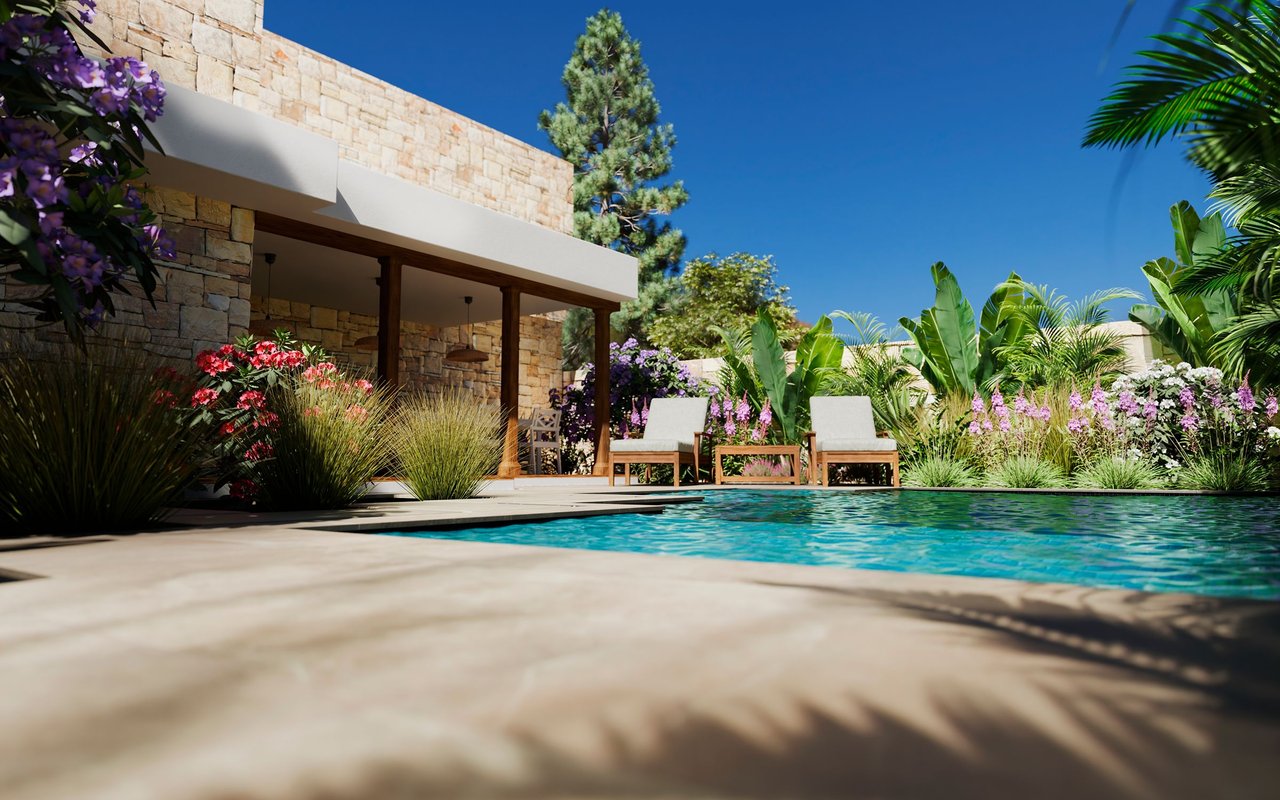
Wondering what everyday life in Palm Beach Gardens actually feels like once the vacation mindset wears off? If you are considering a move, a second home, or a lifestyle change, it helps to picture the daily rhythm, not just the listing photos. From golf and green space to shopping, dining, and neighborhood patterns, here is a practical look at how people live in Palm Beach Gardens. Let’s dive in.
Palm Beach Gardens has a polished, lifestyle-driven feel that blends suburban convenience with a resort-style setting. The city highlights sunny weather, art and cultural opportunities, spas, resorts, dining, shopping, public art, and a strong parks and recreation program.
It also stands out for its balance of planned neighborhoods and open space. The city notes a mix of gated and non-gated communities, and its recreation planning emphasizes that 33% of land must be green, with more than 50% of the city forested or landscaped greenspace.
That mix shapes daily life in a very real way. You are not choosing between a dense urban core and complete isolation. Instead, you get a community where neighborhoods, retail hubs, golf, and recreation are all woven into a more spacious layout.
One of the first things you notice about Palm Beach Gardens is that housing options vary more than some buyers expect. According to city data, the local mix includes detached single-family homes, attached homes and townhomes, and multifamily options such as condos, duplexes, and triplexes.
The city also describes housing here as ranging from villas to estate homes across both gated and non-gated communities. Much of the housing stock was built between 1980 and 2009, which helps explain why many neighborhoods feel established, landscaped, and planned rather than brand new.
For many residents, that means everyday life often includes HOA-style neighborhood living, maintained common areas, and a community-centered feel. If you are moving from a more urban market, Palm Beach Gardens may feel more residential and spread out. If you are moving from a colder suburban market, the difference is often the outdoor lifestyle built into the setting.
Palm Beach Gardens is not positioned as a low-cost market. Census estimates show a median owner-occupied home value of $606,100, a median monthly owner cost of $2,737 with a mortgage, and a median gross rent of $2,417.
Those numbers matter because they help frame what day-to-day living looks like here. This is a homeowner-heavy city, with a 73.0% owner-occupied housing rate, and it tends to attract buyers who want a long-term lifestyle fit, not just a place to land for a year.
The city’s 2024 population estimate is 63,284, and Census data also shows a median household income of $106,947. That supports the broader picture of Palm Beach Gardens as an established, relatively affluent market where convenience, neighborhood quality, and amenities are central to value.
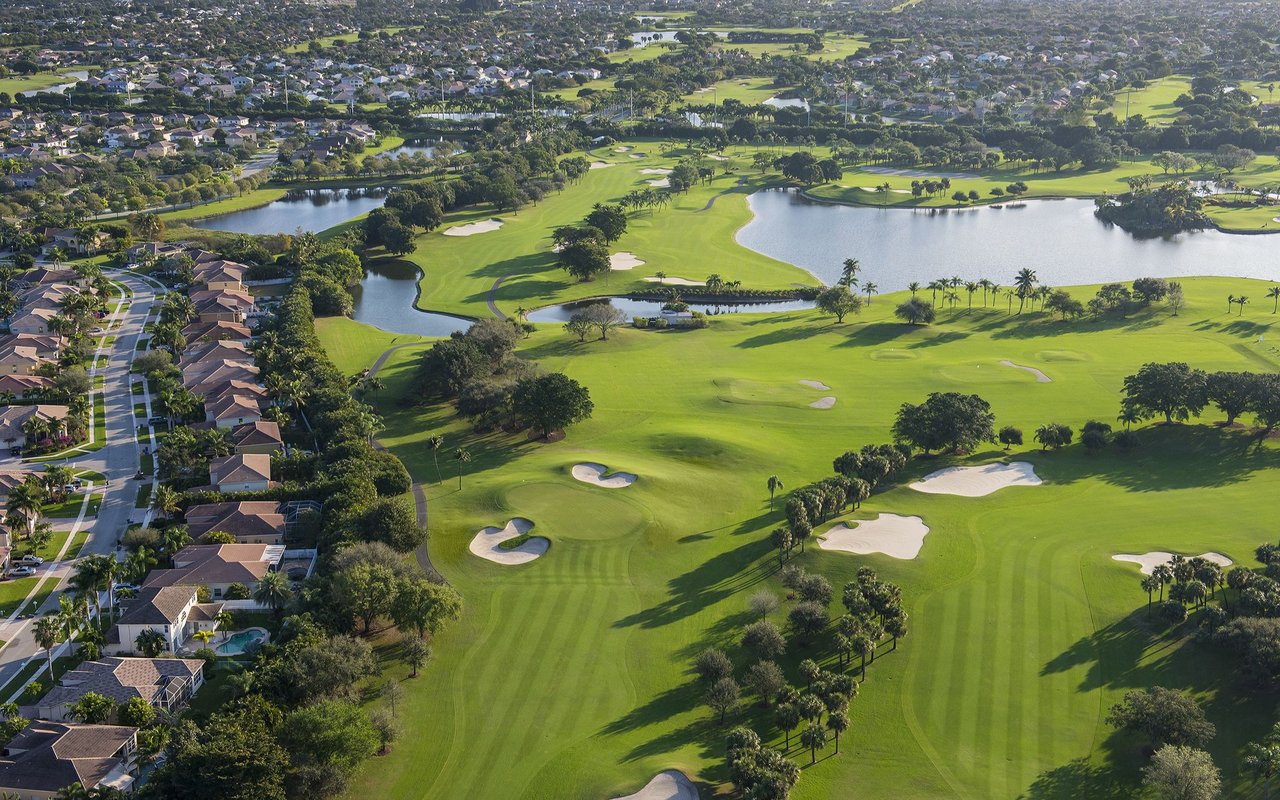
If you have heard that Palm Beach Gardens is a golf-centered community, that reputation is well earned. The city identifies golf as a defining part of its identity and notes that it hosts the Cognizant Classic.
This is not only about private club culture. The city also highlights a municipal golf course, and Sandhill Crane Golf Club describes its course as set within a natural preserve and wetlands area. PGA National Resort adds another layer, with five championship courses and the Champion course serving as the home course of the Cognizant Classic.
For residents, golf influences more than weekend tee times. It helps shape the visual character of the area, the design of many communities, and the lifestyle choices buyers often prioritize when choosing a home in Palm Beach Gardens.
Even if golf is not your focus, Palm Beach Gardens offers a strong recreation network that supports an active routine. The city’s Recreation Department includes two recreation centers, an aquatic complex, a tennis and pickleball center, a youth enrichment center, a greenmarket, and hundreds of programs and events.
The Burns Road Campus adds even more to that daily-access lifestyle, including a renovated community center, aquatics, the Lakeside Center, a playground, and a walking and fitness trail. That kind of infrastructure can make a real difference if you want options close to home.
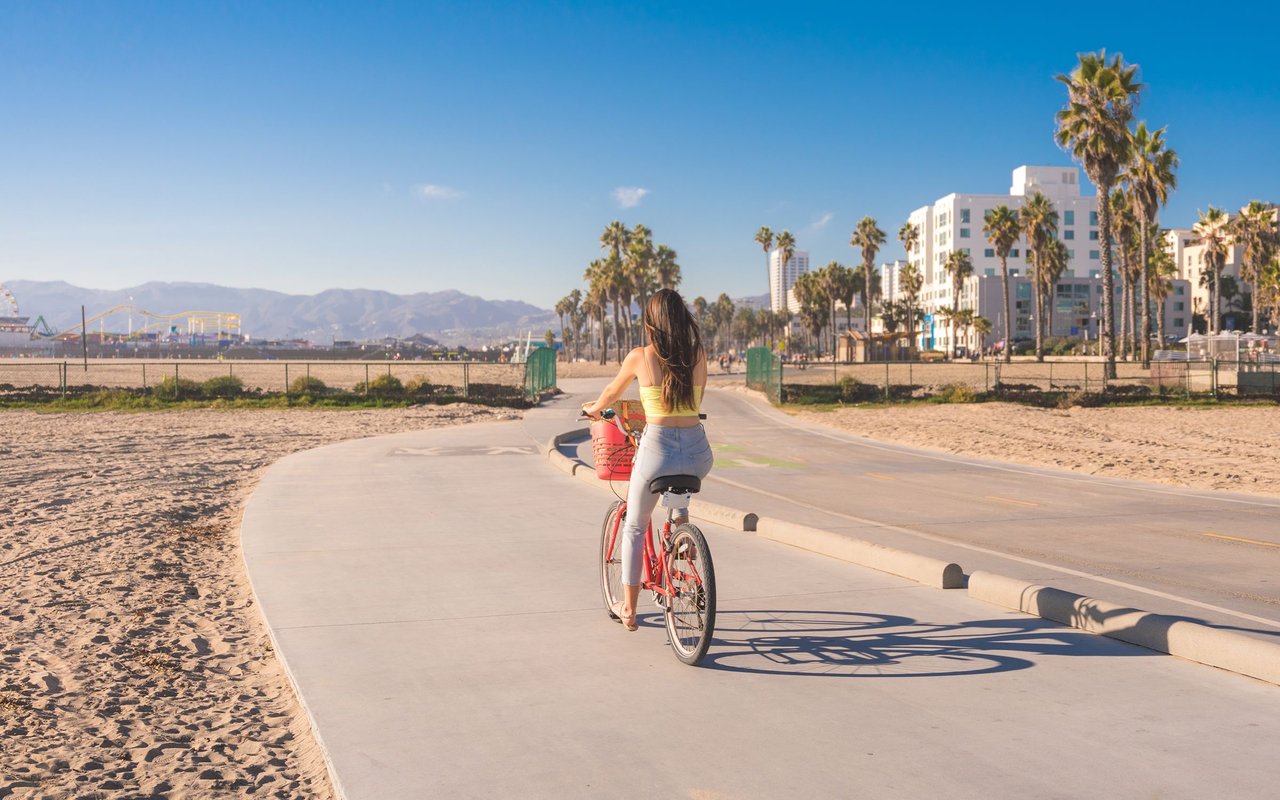
In practical terms, everyday life here often includes outdoor time. You may spend part of your week walking a trail, heading to a recreation program, using the aquatic facilities, or building weekend plans around a park or city event rather than driving far for activities.
One of the clearest examples of local routine is the Gardens GreenMarket. It runs every Sunday from 8:00 a.m. to 1:00 p.m. at the City Hall Municipal Campus.
That regular schedule gives Palm Beach Gardens a built-in weekly rhythm. For many people, Sunday can include a relaxed morning out, casual errands, and time outdoors before moving into the rest of the day.
This matters because lifestyle is often found in the small patterns. A recurring market, steady recreation programming, and convenient retail centers can make a place feel easy to live in, not just attractive on paper.
Palm Beach Gardens has several major shopping and dining hubs rather than one single downtown core. The city identifies Downtown Palm Beach Gardens, Legacy Place, Midtown, PGA Commons, The Gardens Mall, and Alton Town Center as key areas.
That setup makes errands and leisure feel straightforward. You are typically driving short distances between neighborhoods and well-known commercial centers, which supports a convenience-first lifestyle.
The Gardens Mall is a major regional anchor, with 1.4 million square feet and more than 150 specialty shops and dining options. Downtown Palm Beach Gardens includes names such as Whole Foods, REI, Sweetgreen, Grimaldi’s Pizzeria, Subculture Coffee Roasters, Life Time, and CMX Cinemas, while Legacy Place offers more than 40 shops and eateries along PGA Boulevard just east of I-95.
Palm Beach Gardens is convenient, but it is still largely car-oriented. The city’s mobility planning focuses on access, options, and integrating land uses with transportation improvements, yet the everyday experience for most residents still centers on driving.
That said, commute times are relatively manageable by South Florida standards. Census QuickFacts lists a mean travel time to work of 22.9 minutes in Palm Beach Gardens, compared with 26.5 minutes for Palm Beach County overall.
There are also public transit and regional travel options. Palm Tran provides county bus service, including a park-and-ride at The Gardens Mall and a BusLink zone for Palm Beach Gardens, while Brightline service is available nearby in West Palm Beach and Boca Raton for longer regional trips.
Palm Beach Gardens can work well for a range of buyers because the city supports several different lifestyle goals at once. Some people are drawn by golf and club access, while others care more about green space, planned neighborhoods, shopping convenience, or a lower-stress daily routine.
Census estimates show that 32.5% of residents are age 65 or older, which points to a meaningful retiree presence. At the same time, the city’s housing variety, recreation infrastructure, and owner-occupied profile also support move-up buyers, second-home buyers, and people relocating within South Florida.
If you are trying to picture life here, the best way to think about it is this: Palm Beach Gardens offers a polished suburban-resort lifestyle. It is more about well-kept neighborhoods, golf, parks, and easy access to everyday conveniences than about living in a dense, highly walkable urban environment.
When you are choosing a home in Palm Beach Gardens, square footage is only part of the story. Your day-to-day experience may depend just as much on whether you want a gated setting, nearby recreation, easy shopping access, a golf-oriented environment, or a quieter residential feel.
That is why lifestyle context matters so much in this market. Two homes with similar specs can offer very different routines depending on where they sit in the city and what surrounds them.
A thoughtful home search should help you compare not only properties, but also how each area supports the way you want to live. In a place like Palm Beach Gardens, that clarity can make your decision much easier.
If you are exploring Palm Beach Gardens or comparing it with other Northern Palm Beach County communities, Malloy Home Team can help you narrow in on the neighborhoods and lifestyle that fit you best.

In a market where presentation, strategy, and relationships define outcomes, choosing the right team isn’t optional, it’s everything. At the Malloy Home Team at SERHANT., we don’t just list homes. We position them. We don’t just find properties. We secure opportunities others never see.
114 N Coastal Way Jupiter, FL 33477